What is baobab?
The baobab is the fruit of an emblematic tree from sub-Saharan Africa, nicknamed the “tree of life” for its ability to survive in extreme environments while providing nutrition and care to local communities. Consumed for generations in countries like Senegal, Mali, and Burkina Faso, it is prized for its naturally dehydrated pulp, with a slightly tangy taste. This pulp is traditionally used in local drinks, added to infant porridges, or processed into powder to facilitate its preservation and daily use. Some communities also consume its nutrient-rich leaves as a base ingredient in sauces.

Why is it unique?
It stands out for its exceptional composition: it contains more vitamin C than oranges, more calcium than milk, and five times more fiber than oats. Naturally prebiotic, it promotes a balanced gut microbiota. Its richness in soluble and insoluble fibers makes it a functional ingredient of choice to support digestion and satiety.
The benefits of baobab
For generations, baobab has been part of daily life in several African regions, not only for its culinary uses but also for its symbolic place in local cultures. This majestic tree, often considered a pillar of ecosystems and communities, offers a fruit with impressive nutritional properties, used in juices, traditional remedies, and family diets.
Long little known outside the African continent, baobab is now attracting growing interest in Western countries, where it is recognized as a natural superfood. Its richness in fiber, exceptional vitamin C content, and unique tangy taste make it a sought-after ingredient in smoothies, functional juices, and health foods. It thus fits into a more conscious approach to nutrition, at the crossroads of prevention, well-being, and respect for traditional knowledge.
From a nutritional perspective, baobab pulp powder is one of the richest in fiber and vitamin C found in natural foods. It also contains several essential minerals and a high level of antioxidants.
Here’s an overview of its main contributions for 2 tsp (5 g) of powder:
- 2 g of dietary fiber
- 15 calories
- 64% of DRV for iron
- 8% for calcium
- 2% for potassium
- 17% for vitamin A
- 1% for vitamin C
- 37% for vitamin E
- 46% for vitamin K
- 42% for thiamine (B1)
- 6% for riboflavin (B2)
- 5% for magnesium
Digestion: Baobab powder is an exceptional source of fiber, representing nearly 50% of its composition. It contains both soluble and insoluble fibers that play a powerful prebiotic role, nourishing good gut bacteria and contributing to regular transit. According to a study published on ScienceDirect (2020), these fibers actively promote microbiota balance and overall digestive health.
Immune System: With an exceptional vitamin C content — up to 300 mg per 100 g of powder — baobab stimulates white blood cell production and supports immune defenses. A single serving of baobab-enriched drink can cover up to 30% of the recommended daily intake of vitamin C. Healthline (2022) reminds us that this vitamin plays an essential role in protecting against infections and maintaining a robust immune system.
Energy and Vitality: Rich in calcium, magnesium, potassium, and B vitamins, baobab helps reduce fatigue and support sustained energy. These nutrients are particularly useful during periods of stress, overwork, or to improve daily vitality.
Anti-inflammatory and Skin Health: Thanks to its richness in antioxidants — flavonoids, polyphenols, and vitamin C — baobab protects cells from oxidative stress, slows down signs of aging, and contributes to healthier skin. Recent research also indicates that baobab helps reduce chronic inflammation, a key factor in many diseases. Healthline (2022) highlights the importance of these compounds in preventing cellular damage and promoting a natural anti-inflammatory response.
Impact on overall well-being
Incorporating baobab into your diet is a simple daily step to naturally support your gut balance, energy levels, and immunity.
- For stressed or fatigued individuals: its vitamins and minerals support sustained energy.
- For athletes: its natural electrolytes aid recovery.
- For anyone looking to naturally boost their immunity: it’s a safe, fruity, and vitamin C-rich addition, perfect for supporting daily defenses.
How to use it daily?
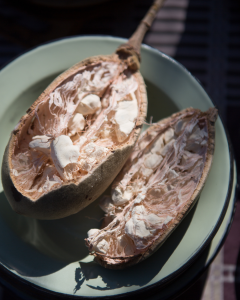
Baobab easily integrates into your routine, with no cooking or preparation required: a simple spoon is enough to enjoy its benefits. Its tangy, fresh, and slightly fruity taste is appealing in both drinks and more creative recipes.
- Add 1 to 2 tsp to your smoothies, yogurts, compotes, or energy ball recipes.
- Also ideal for enhancing a vinaigrette, homemade lemonade, or oatmeal.
Lacking inspiration? Explore our baobab recipes to fully enjoy its benefits:
- Bouye Juice – Traditional African juice with a sweet and slightly tangy taste
- Baobab Grapefruit Fizz – A perfect cocktail/mocktail to discover new flavors
- Terraïka’s Golden Milk – An Ayurvedic classic reinvented the Terraïka way
FAQ & Precautions
- How much per day?
1 to 2 teaspoons (3 to 6 g) per day are enough to enjoy its benefits. - Are there any contraindications?
Baobab is well tolerated by most adults and children. However, individuals sensitive to fiber should start with small doses to accustom their bodies. - How to store it?
In an airtight container, away from heat and light, to preserve its nutritional quality and taste.
Conclusion
Baobab is a true concentrate of vitality. Rich in fiber, vitamin C, and essential minerals, it supports energy, digestion, and immunity while easily integrating into your diet. Whether you’re looking to reduce fatigue, strengthen your defenses, or simply diversify your diet, baobab deserves a place in your routine.
Discover it in our online store and stay tuned: our next article will take you on a journey into the heart of fonio, an ancient grain as nutritious as it is versatile.