What is moringa?
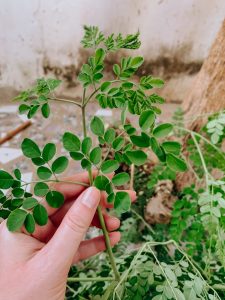 Moringa oleifera is a large tree native to northern India and Africa, used for thousands of years in traditional herbal remedies and often dubbed the “miracle tree” due to its nutritional density. Its leaves are primarily consumed for their vitamin, mineral, and antioxidant content. When harvested at maturity, dried at low temperatures, and ground into powder, they retain their nutritional qualities while being easy to incorporate into a daily diet.
Why is it unique?
Its remarkable nutritional density makes it a key ingredient for a healthy and functional diet. It naturally contains vitamins (A, C, E), minerals (iron, calcium, magnesium), antioxidants, and all essential amino acids. A rare combination in a single plant-based food.
The health benefits of moringa
Cultivated for centuries in sub-Saharan Africa and South Asia, moringa—often nicknamed the “tree of life” or “miracle tree”—is an integral part of many traditional cultures. Every part of the plant is used: the leaves, seeds, flowers, and even the roots. In India, it holds a central place in Ayurvedic medicine, where it is credited with the ability to prevent or relieve over 300 ailments, ranging from inflammation to digestive imbalances. In West Africa, particularly in Senegal, Mali, or Benin, its nutrient-rich leaves are consumed fresh or dried, added to daily meals, infant porridges, or traditional remedies, often to address nutritional deficiencies. This ancestral knowledge, passed down from generation to generation, is based on a deep understanding of its health effects, long before modern science took an interest in it. In fact, according to Healthline, researchers have identified over 90 bioactive compounds in moringa that could help protect the body against oxidative stress, inflammation, fungi, and certain types of cancer.
Today, moringa is attracting growing interest in the West, particularly among those who view diet as a lever for prevention, well-being, and daily performance. Rich in antioxidants, proteins, vitamins, and minerals, it naturally fits into a functional approach to nutrition, which aims to actively support daily health and balance.
For example, for 5 g of moringa leaf powder:
- 1 g of complete plant-based protein
- 15 calories
- 64% of the recommended daily intake (RDI) of iron
- 46% for vitamin K
- 42% of thiamine (vitamin B1)
- 37% for vitamin E
- 17% of vitamin A (from beta-carotene)
- 8% for calcium
- 6% of riboflavin (vitamin B2)
- 5% for magnesium
- 2% for potassium
- 1% for vitamin C
Values may vary slightly depending on batches and origins.
Immune System: Rich in vitamin C, beta-carotene (a precursor to vitamin A), and zinc, it naturally helps strengthen the body’s defenses.
- Vitamin C stimulates white blood cell production and helps fight infections.
- Beta-carotene protects mucous membranes, the first barriers against pathogens.
- Zinc supports the immune response and accelerates healing.
In synergy, these elements offer comprehensive support to the immune system.
Digestion: The high fiber content, both soluble and insoluble, makes this plant a valuable ally for digestive health.
- Soluble fibers nourish good gut bacteria.
- Insoluble fibers facilitate food passage through the intestine and prevent constipation.
Incorporating moringa into your diet can thus support smoother digestion and better daily intestinal comfort.
Inflammation: Thanks to their richness in flavonoids, polyphenols, and phenolic acids, moringa leaves possess strong antioxidant properties.
Thanks to their richness in flavonoids, polyphenols, and phenolic acids, moringa leaves possess strong antioxidant properties. According to Healthline, these compounds are capable of neutralizing free radicals and thus reducing oxidative stress, a recognized factor in the development of chronic inflammation.
Recent research confirms moringa’s effectiveness in reducing inflammation and protecting cells against aggression. A systematic review published in November 2024 in Frontiers in Nutrition shows that certain active compounds in moringa act directly on the body’s natural defense mechanisms: they curb inflammatory reactions while stimulating antioxidant functions, which help neutralize the effects of oxidative stress on the body.
Another scientific review published in 2023 in Frontiers in Pharmacology highlights the synergistic effect of several natural compounds found in moringa leaves. Together, these elements act as a protective shield: they help limit inflammatory reactions in the body and support the protection of cells against damage caused by oxidative stress.
Energy: Thanks to its richness in iron and magnesium, two minerals essential for cellular energy production, moringa helps reduce feelings of physical and mental fatigue.
- Iron is necessary for oxygen transport in the blood. Sufficient intake helps maintain good endurance and concentration levels.
- Magnesium supports the nervous system, relaxes muscles, and promotes restorative sleep, indirectly contributing to better vitality.
Source of plant-based protein: Beyond its richness in micronutrients, moringa stands out for its natural content of complete proteins, a rather rare characteristic in the plant world. In a 21 g portion of fresh chopped leaves, or about one cup, you’ll find 2 g of protein containing all essential amino acids. Few plants offer such a quantity of protein in such a modest serving. This nutritional density makes moringa an ideal ingredient to supplement protein intake, especially in vegetarian, vegan, or flexitarian diets.
As also highlighted by Healthline, this plant has been consumed for generations in regions where nutritional deficiencies are common. It is now recognized as a nutritional supplement of choice in a modern approach to functional nutrition.
Impact on overall well-being
Incorporating moringa into your daily diet can transform small actions into true wellness rituals. Its nutrients work deeply to support body and mind, without resorting to artificial stimulants.
- For sedentary workers: Moringa provides a natural source of energy thanks to its iron, magnesium, and B-vitamin content. Unlike caffeine, it doesn’t cause energy spikes or crashes. It supports vitality throughout the day, while also helping to better manage oxidative stress caused by sedentary lifestyles and screens.
- For athletes: Rich in complete plant-based proteins (containing all 9 essential amino acids), calcium, and potassium, moringa promotes muscle recovery and remineralization after exercise. It can also help reduce post-workout inflammation thanks to its antioxidants.
- For students or stressed individuals: During periods of intellectual effort, moringa acts as a cognitive support:
- Magnesium and iron promote concentration and memory.
- Its antioxidants help combat the effects of prolonged stress.
It supports mental and physical balance during periods of overload.
How to use it daily?
 Moringa is super easy to incorporate into your routine, with no cooking or complex preparation:
- Add 1 tsp to a fruit smoothie or a pressed juice
- Sprinkle it over a plant-based yogurt bowl, a chia pudding, or applesauce
- Incorporate it into energy balls, soups, or even homemade dressings
Its slightly bitter, vegetal taste, similar to spinach or matcha, pairs particularly well with tart flavors like lime, mango, or green apple.
Looking for delicious and easy ideas?
Browse our moringa recipes on the blog for daily inspiration. Try, for example:
- Fat-Burning Smoothie — a nutritious and energizing blend to help activate your metabolism
- Moringa & Baobab Vitality Juice — a refreshing, antioxidant-rich drink to support immunity
- Moringa latte — perfect for an energy boost without the downsides of caffeine
FAQ & precautions
- How much to consume daily?
One to two teaspoons (approximately 3 to 6 g) are enough to benefit from moringa. Start with small doses to observe the effects, then adjust according to your needs. - Are there any contraindications?
Moringa is a safe food for most healthy adults. However, its richness in vitamin A makes it not recommended for pregnant women (unless medically advised), due to the risk of excess.
If you are taking medication (especially for blood pressure or blood sugar), it is best to consult a healthcare professional before consuming it regularly. - How to store it?
Store your moringa powder in an airtight container, away from heat, humidity, and light. Ideally in a pantry or closed cupboard. Proper storage helps preserve the plant’s full nutritional power.
Conclusion
Moringa is no ordinary ingredient. Used for generations for its medicinal and nutritional virtues, it stands today as a choice ally in conscious and functional nutrition. Rich in antioxidants, fiber, and essential minerals, it naturally supports immunity, digestion, energy… and even plant-based protein intake, often difficult to meet in a plant-based diet. Easy to integrate into daily life, it perfectly illustrates the idea that food can also be a tool for prevention and lasting well-being. A spoonful in a smoothie or a fruit bowl, and ancestral knowledge becomes part of your routine.
To continue exploring natural ingredients with multiple benefits, check out our next article — where we’ll tell you about baobab, an amazing fruit that deserves to be known.